

Aging Housing Stock Drives Growth in Preventative Roof Maintenance Across Michigan
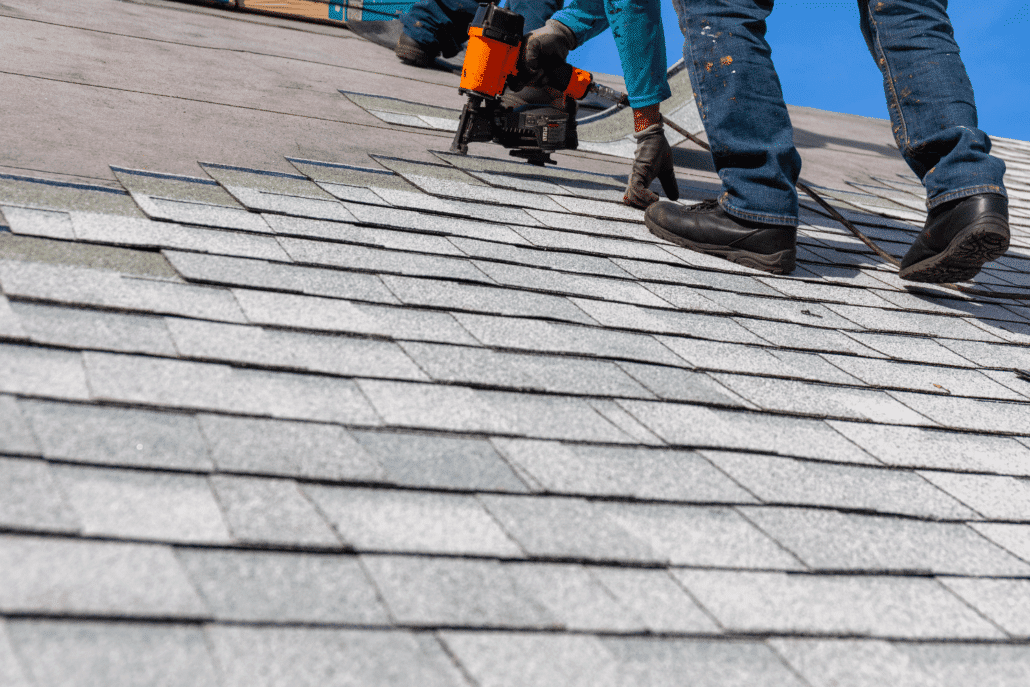
Residential roof showing long-term wear from seasonal weather exposure.
Shingle installation performed during proactive roof replacement planning.
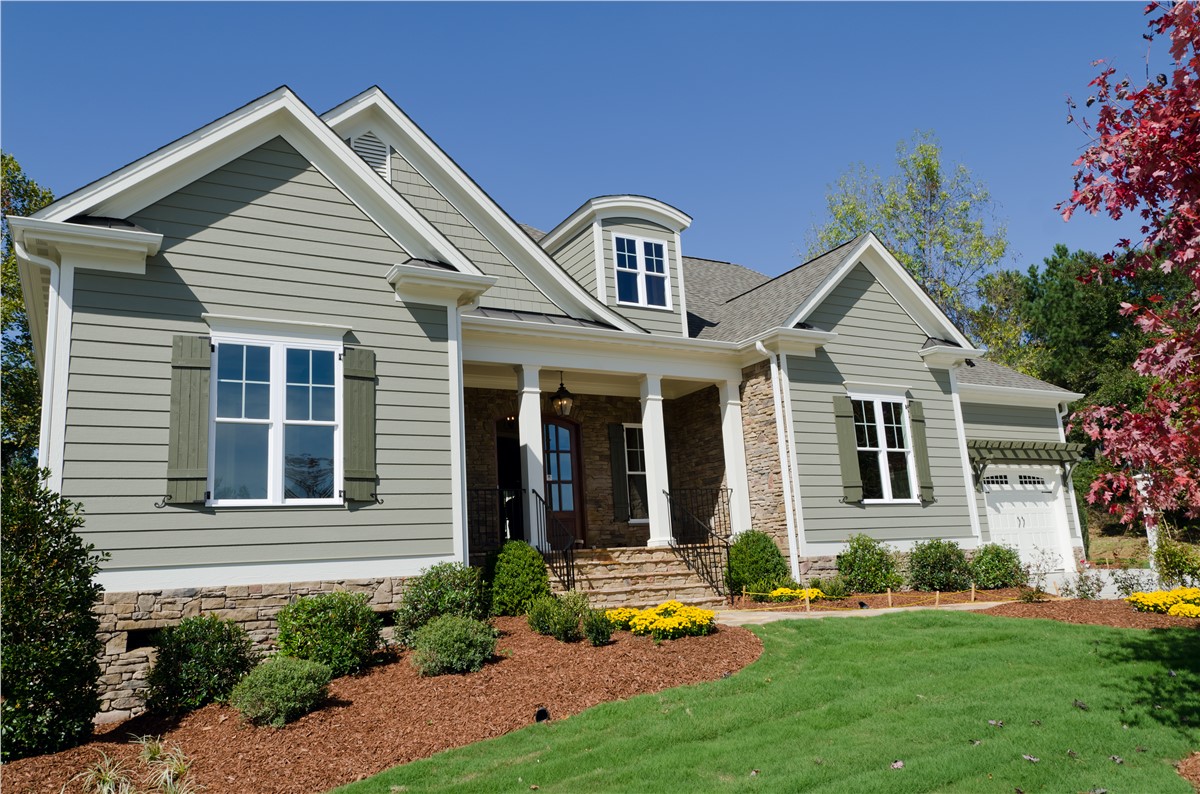
Exterior renovation completed alongside roofing system maintenance.

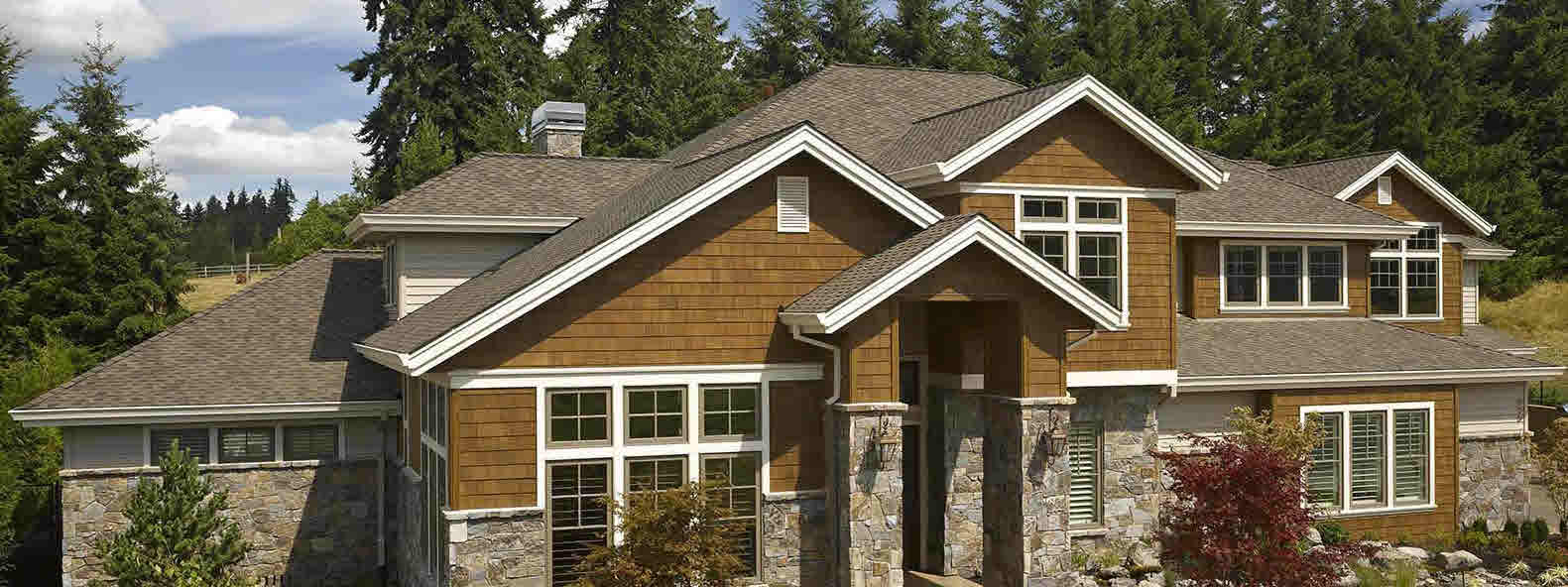
Completed roofing project following preventative restoration work.
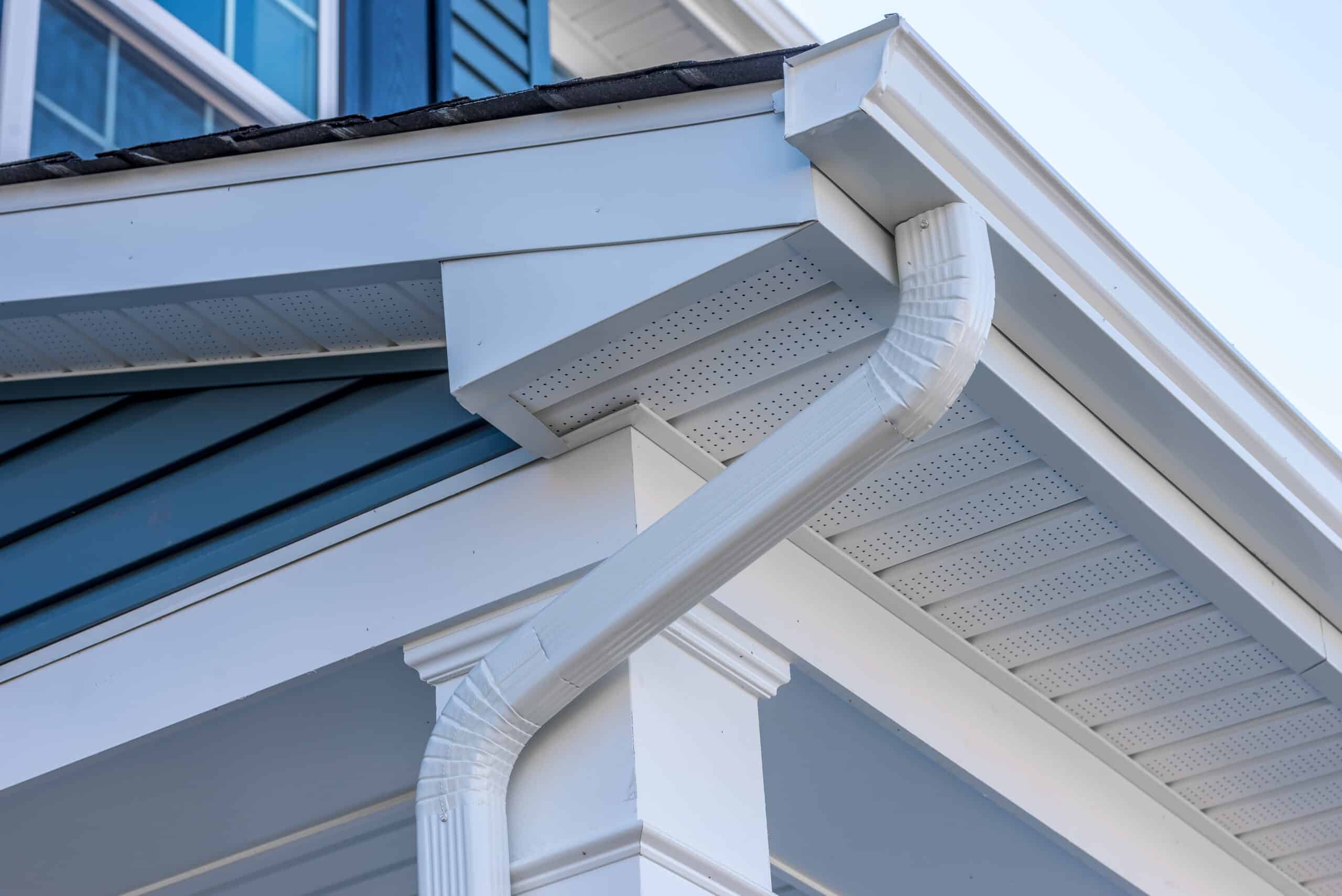
Gutter installation supporting preventative roof drainage improvements.
Preventative inspections, rejuvenation treatments, and proactive repairs are helping homeowners extend roof lifespan amid rising weather exposure.
Preventative inspections, rejuvenation strategies, and proactive repairs are emerging as key tools for homeowners managing long-term roofing performance.
Across Michigan, the age of residential housing is becoming an increasingly important factor in roofing maintenance and replacement planning. Many homes throughout the state were constructed decades ago, often using roofing materials and installation methods that predate modern weather-resilience standards. As these structures continue to age, preventative maintenance strategies are gaining traction among homeowners seeking to extend roof lifespan while managing long-term property costs.
Meteorological trends indicate that roofing systems today face more frequent environmental stress than in prior decades. High winds, hail activity, and rapid seasonal temperature shifts contribute to gradual material degradation even in the absence of catastrophic storm damage. For older roofing systems, repeated exposure accelerates wear patterns that may not be immediately visible from ground level.
Preventative Inspections Are Becoming More Common
Roofing professionals report a steady increase in homeowners requesting preventative roof evaluations rather than waiting for visible leaks or structural failures to occur. These inspections focus on identifying early-stage vulnerabilities such as granule loss, flashing separation, sealant deterioration, and ventilation inefficiencies.
Proactive inspection scheduling allows contractors to recommend targeted repairs that stabilize roofing systems before damage escalates into structural compromise. This approach is particularly valuable for homeowners seeking to maintain roofing performance while avoiding premature replacement costs.
Inspection documentation can also support insurance records, resale disclosures, and long-term maintenance planning initiatives.
Extending Service Life Through Targeted Repairs
Localized repair work often plays a key role in preserving aging roofing systems. Reinforcing flashing, replacing isolated shingle sections, resealing penetrations, and correcting drainage inefficiencies can collectively delay full system replacement.
Homeowners investing in preventative roof maintenance are finding that incremental repairs provide both financial and structural benefits. By addressing vulnerabilities early, property owners can reduce the likelihood of emergency storm-related damage and extend overall roof performance.
These maintenance interventions allow roofing systems to remain operational while long-term replacement planning is evaluated.
Rejuvenation Treatments Support Material Preservation
Roof rejuvenation treatments have emerged as an additional strategy for preserving asphalt roofing systems. These applications are designed to restore shingle flexibility, enhance granule adhesion, and improve water-shedding capabilities.
Contractors evaluate roof condition, material thickness, and structural stability before recommending rejuvenation services. While not appropriate for every roofing system, rejuvenation can play a role in helping homeowners extend roof lifespan when structural integrity remains intact.
These treatments are often integrated into broader preventative care programs focused on maximizing lifecycle performance.
Aging Materials Face Increased Weather Exposure
Older residential roofing systems frequently lack modern reinforcement technologies found in contemporary installations. Advances in underlayment design, fastening systems, ventilation architecture, and impact-resistant shingles have significantly improved performance expectations for newer roofs.
In contrast, aging systems may be more vulnerable to uplift, water intrusion, and insulation degradation when exposed to repeated storm cycles. This disparity is driving increased awareness among homeowners regarding preventative care and performance monitoring.
Contractors experienced in regional climate conditions are well positioned to evaluate material response to long-term environmental exposure.
Housing Inventory Trends Reinforce Maintenance Demand
State housing data continues to show a substantial portion of Michigan’s residential inventory exceeding 25–30 years in age. As roofing systems approach or exceed original service life expectations, homeowners are weighing maintenance investments against full replacement planning.
Preventative strategies allow property owners to avoid compressed emergency replacement timelines triggered by sudden system failure or severe storm damage.
Long-Term Property Resilience Becomes Central Focus
As Michigan’s housing infrastructure continues to age alongside evolving weather patterns, preventative roofing care is expected to remain a central component of residential property resilience planning.
Scheduled inspections, rejuvenation treatments, drainage upgrades, and targeted repairs all contribute to extending system durability while stabilizing long-term maintenance costs.
For homeowners, proactive roofing care represents a strategic investment in both structural protection and financial predictability.
Scott Kincaide
Kincaide Roofing And Rejuvenation
+1 734-789-4817
email us here
How Preventative Roof Maintenance Extends System Lifespan
Legal Disclaimer:
EIN Presswire provides this news content "as is" without warranty of any kind. We do not accept any responsibility or liability for the accuracy, content, images, videos, licenses, completeness, legality, or reliability of the information contained in this article. If you have any complaints or copyright issues related to this article, kindly contact the author above.
